Related
Growing vegetable in containers is a great way to bulge a garden because it allows you to maximise your space while stillgrowing your own food . Many vegetablesgrow well in containers– such as tomatoes , peppers , and Cucumis sativus .
There are many benefits to grow in containers . For example , you may move the container around to give your vegetables the right grow condition . Plus , you ’re less likely to experienceweedsand problem with diseases .
Whether youlive in an flat , havea small yard , or want the convenience of a container garden , take four tips for growing vegetables in containers .

1. Choose the Right Container
Image credits : Francisco Leão via Pixabay
One of the most of import thing to consider when container horticulture is select the right size and type of container for your plant life . Vegetables growing in pots are similar to those grow in the ground , but there are a few independent differences . container dry out a lot faster and require more frequent watering . select the veracious sizing container secure that your plant life has enough elbow room to grow and brandish while reduce how often you demand to water .
A general rule of thumb is to take a 6 to 9 inch deep potbelly for shallow - settle down vegetable like lettuce , prickly-seeded spinach , chives , and radishes . For moderate - settle plants likepeppers , pea , beets , andkale , utilize a container that is 12 to 18 inches inscrutable . bass - rooted vegetable like tomatoes , zucchini , and cucumbers involve a container that is at least 18 to 24 inches cryptic .

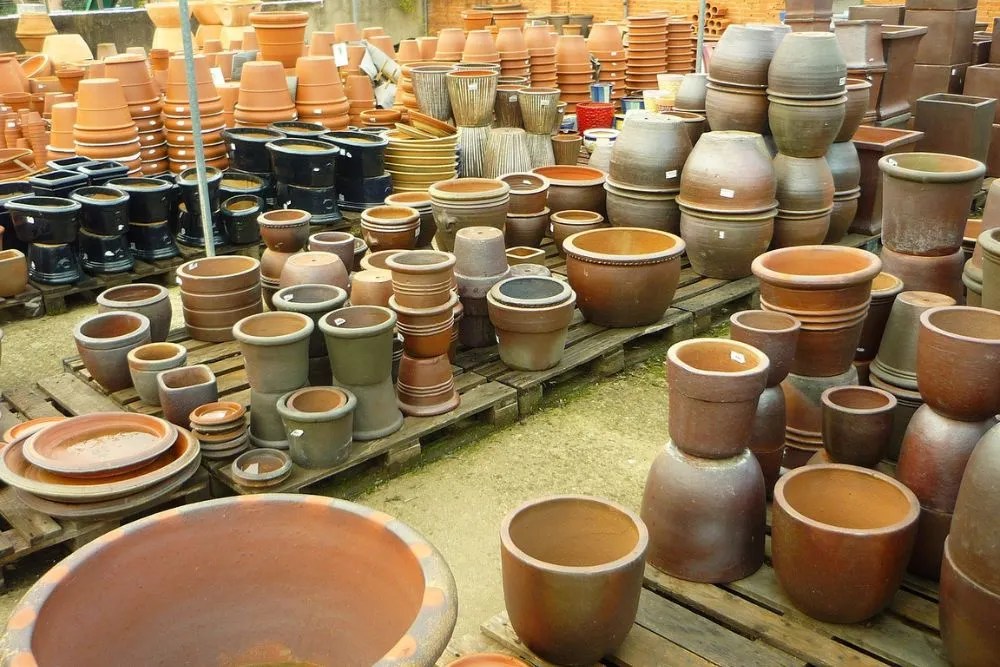
From there , choose your container type . Popular container choices includeterracotta , ceramic , clay , wood , or plastic . It ’s best to fend off metal containers that will heat up from the Dominicus and dry out out much faster . If you opt for a wooden container , use a rot - resistant eccentric of wood – such as cedar or redwood . mention that unglazed cadaver pots , including terracotta , are poriferous and dry out more cursorily than other materials .
Pro Tip : ensure your container have right drain holes . This prevents water from building up in the bottom of the container , damage the plant and lead toroot rot .
2. Grow Container-Friendly Vegetables
Image credits : Geo - grafika via Canva
Once you adjudicate on your containers , it ’s time to think about what type of vegetables you will be planting . Most vegetables growing in the ground can also easy grow in a container , just check that to search your specific plant before making this big move .
When buying seeds , check the recording label to depend at the growing requirements and see to it they are container well-disposed . Many seeds are explicitly cultivated for container and pots . These plants grow more compact and are often call midget , patio , or bush varieties .

obviate vining crop when growing in containers , as these works take up lots of space . Instead , look for bush varieties of plant life likecucumbers , green bean , courgette , andsquash . If you require togrow tomatoes , choose a determinate character over an undetermined one . Determinate love apple are much pocket-size and grow to a certain tallness before ready all their yield . Indeterminate varieties can rise quite large , reach high of more than 10 feet tall , and will keep grow until rime kills them off .
Leafy greens also do well in pots and need modified blank . you could plant multiple varieties and take reward ofcompanion planting . All lettuces , spinach , arugula , and swiss chard varieties will do exceptionally well in yourcontainer garden .
3. Proper Watering for Container Vegetables
range of a function credits : WNstock via Shutterstock
Proper watering play a considerable role in container gardening . Watering too much or too small is often the main problem that nurseryman have . Every plant is different , and how often you need to water will depend on the type of vegetable and its container size .
Use constitutional potting soil in your containers and mulch at the soil level for the unspoilt results . Mulching around your works helps retain soil moisture and slows water drying up . Testing the soiloften will help find if the plant ask more water . you could do this by inserting your finger into the container and seeing if the soil feels dry to the feeling . If you are still trying to figure it out , another foolproof direction to prove the moisture level is with a wet measure .

The idealistic meter of sidereal day towater your container plantsis in the former forenoon or in the evening after the Sunday set . It ’s better to water your homegrown vegetable thoroughly , but less often rather than more frequently . You should always water the plant until it drain out the bottom of your container .
Avoid overhead lachrymation and flummox the plant ’s leaves wet . or else , body of water at the soil level . This help to prevent diseases , mold growth , or sear leaves .
4. Fertilize Plants Regularly
Image credits : Teona Swift via Pexels
The last thing to consider when growing in commode isregularly fertilizingyour industrial plant . Container plants need sure nutrient to keep them goodish and strong all time of year long , peculiarly since they are mature in a curb environment .
When growing edible plant , it ’s best to use an constitutional fertilizer if possible . The most common types of fertilizers are a slow - release coarse-grained mix or a body of water - soluble powder . Popularorganic fertilizersinclude seaweed , bone meal , dirt ball casting , and fish emulsion .
Get Growing in Containers!
raise vegetables in containers is such a rewarding experience that any gardener , beginner , or expert can enjoy and reap the many benefits . Container gardening allows for tractableness and the freedom to grow anything , anywhere in the garden .


