Plant problem
As sudden geological period of uttermost heat become more vernacular , it ’s of import to be prepared to protect your garden and keep your plant animated . horticulture expert Madison Moulton discusses the many ways you may protect your plants during a heatwave .
subject

Weird weather is becoming the norm these days . This presents a challenge for gardeners , who must stay on on top of change pattern to hold a garden full of thriving plants . One issue that is becoming ( sadly ) far more rough-cut across the world is frequent heat moving ridge . How do you protect your plants from extreme heat ?
Most well - cared - for plants will make out just fine on a few hot days , but high temperature wafture with prolonged periods of abnormally red-hot weather can negatively touch your garden over time .
It ’s important not to panic in these situation and fuss over your crops to the item where you terminate up harm rather than assist . Instead , you may hire these few strategies to provide unforesightful or long - term backup tokeep your garden secure and happyin swelter weather condition .

Understand Your Climate
The first tone to mastering horticulture in a heat wave ( and , to be honest , gardening in oecumenical ) is understanding your clime . This does n’t just need a general consciousness of temperature modification . You must realise how hot your region scram and how long the temperatures will remain high .
Keep an centre on your local conditions forecast and search the intermediate high temperatures during summer and the duration of heat waves .
consider the temperamental weather in late years , this is bound to change . Still , cosmopolitan awareness of the condition , instead of not considering them , will aid you shield your garden from damage and better groom you when extreme heating system arises .

By taking the time to read your local clime , you ’ll equip yourself with the knowledge need to give your garden the best fighting chance during sudden bout of uttermost heat . Plants are unremarkably quite resilient , and if you bulge with the right strategies in place , the event of extreme heating system will be far less damaging .
Plant In The Right Position
If you subsist in a region known for scorching summers , the location of your plants can resolve whether you have a vivacious and goodish garden or a sad and withered one . Under normal circumstances , sacrifice Dominicus - bonk plants the brightest spots in your garden is good . But when the summertime Dominicus is outstandingly vivid , even sun lovers can skin .
I like to start by observing how the sunlight act across the garden before I implant anything . Understandingwhere shadows fall throughout the dayand the times they alter will identify the perfect spots for planting .
Be sure to turn over the modification in time of year , too . For example , I set up a new bottom that looked quite sad in the declension because I did n’t regard the sun ’s trend when I plant it in spring .

When it comes to extreme heat , the most important observation is when and where the harsh afternoon sun hits the hardest . Then , avoid plant vulnerable plants in those spot and pick tough plants known to withstand heat well instead . Many sun - hump plants ( tomatoesare a great example ) can still benefit from a little afternoon tincture when the temperature uprise to extreme levels .
The eastward - face areas of your garden usually experience morning sun and afternoon shade if you’re able to plant there . Alternatively , consider planting vulnerable plants under the mottled shade of larger , warmth - resistant plant life or set up a irregular spectre cloth ( discourse later ) .
Water Deeply
If you ’re raring or short on time and like to irrigate speedily , you may want to reconsider your practice session in the scorching heat .
When you lightly water , wet rest near the surface , and it can vaporise quickly under the harsh sunlight . This advance plants to uprise shallow root systems as they stretch towards the water source rather than downward into the soil . plant become more vulnerable to heat stress in these case as they can not get at deeper wet reserves in the soil .
Luckily , the result is simple . Whenever you water , make indisputable you irrigate slowly and deep , penetrating the low level of soil to altogether impregnate it and encourage the roots to spring up downwards . It may be a little more time - consuming , but plants with bass roots are much more resilient and capable of hold dry magic spell and extreme heating system , make up it well worth the effort .

Of naturally , how abstruse ‘ deeply ’ is will depend on the flora species and your garden condition . But generally , it ’s best to sop the soil until it begin to run off , wait until it ooze in , and body of water again to reach the lower stain layers . Asoil moisture metercan also aid you supervise how deep you are water .
lachrymation in this way takes a small more time and attending , but it can pay off significantly in industrial plant wellness and resiliency . Your crops will be more rich , quick to take on the scorching summer passion no matter what the weather condition throw at them .
Water At The Right Time
The timing of watering may not seem to matter too much , but when temperatures are high , timing is crucial . lachrymation during the twenty-four hours ’s peak rut might seem like a good way to bid plant a flying cool - down , but it ’s not the most effective strategy for long - term wet retentivity .
Watering in the midsection of the day make more piddle to vaporise before the plants get a chance to absorb it . If you ’re water while the sun is gamy , you miss a tumid portion of that water to the aura , watering less effectively .
Theideal time to water is in the cool hours of early first light . This allows the pee to penetrate deep into the grime and reach the root , giving your crops a proper drink before temperatures increase . As a bonus , redundant water on the plant ’s leafage can dry out off before the sun gets too vivid , boil down the risk of fungal diseases .

If former morning watering is not feasible ( either due to your schedule or simply because you do n’t wish getting up early ) , the next practiced option is to irrigate in the late evening . ascertain you water at the foot of the plant life and head off the leaves , as leaving them wet overnight can also invite unwanted diseases .
I ’ve learn through many hot summer that keeping an center on the forecast can also be improbably useful . If a cool sidereal day is predicted , take advantage of the prognosis andgive your plants a thorough lachrymation rather than watering on live days . This relieve piss from unnecessary drying up and prepares your garden for upcoming temperature increases .
Avoid Overwatering
Once you notice signs of heating system focus , drench your flora with weewee while attempt to play them back to life is tempting . Unfortunately , this will unremarkably do more hurt than good . The line between hydration and overwatering is fine , and it ’s of the essence not to let the panic of scorching temperature tip off you over it .
Extra lacrimation when your plants do n’t need it is n’t a solutionfor extreme heat stress . Instead , itcan lead to new issueslike root rot and fungal disease , which can be just as destructive as the heat stress you ’re trying to battle . exuberant water can also limit airflow around the roots , causing them to stifle .
One of the most common sign of overwatering isyellow leave-taking . Unfortunately , yellowing can also be a augury of underwatering , creating serious confusion among Modern gardener . Simply press your fingers into the dirt to try the moisture layer . If it ’s moist , your plant have enough water to survive . If it ’s ironical , then it ’s potential time to piss .

Whenever you ’re face with soaring temperatures , do n’t just ramp up the watering and Bob Hope for the good . endeavor for a balance that keeps your flora adequately hydrated but not waterlogged .
Install Drip Irrigation
Extreme heat is knotty to care for occasional gardeners who ca n’t spend several hours a day keeping an optic on their plant ( that ’s most of us ! ) Watering a few more times a calendar week than usual is n’t always feasible when you ’re busy . That ’s where drip irrigation comes in .
These practical arrangement aredesigned to deliver water directly to where it ’s neededmost – the roots – ensuring they receive enough water while limiting pee usage . By easy releasing water supply near the roots , they ensure that the water does n’t but sit on the airfoil where it can rapidly vaporise .
As a bonus , drip irrigation also aid in preventing disease make by weewee - splosh leafage , maintaining the wellness of your plants while keeping them hydrous . depend on your scheme , the valve can be adjusted to manipulate the amount of body of water each plant receives , making it easier to supply to the specific want of different works varieties .

Installation can be metre - consuming and pricey , and while many DIY options are available , it does take some employment . However , once installed , the system is middling straightforward and can even be automatize with a timekeeper , making your lacrimation chores less of a hassle .
Make Use of Mulch
When gardening regularly in uttermost heat , mulch should be your new best friend . An often - overlooked aspect of gardening , mulching has many benefits that pass far beyond esthetics .
Mulch is spread on top of the soil to maintain wet , regulate grunge temperature , and suppress weed growth . you may useorganic materials like husk , wood chips , or compost that improve soil wellness as they conk out down .
That ’s just the benefit of mulch on a steady mean solar day . But why is mulch so crucial for your garden during utmost warmth ? The layer of mulch creates a roadblock that thin the intensity of the sunshine ’s heat on the soil , serve to keep the roots comparatively cool .

Simultaneously , it lock up in the soil ’s moisture to limit evaporation . When pee is a valued commodity , peculiarly during heat waves , you desire as much moisture to remain in the grease as potential . A stratum of mulch can cut evaporation rate dramatically , leaving a lot more water in the dirt for your plants to absorb .
Spread a layer of mulchabout 2 inches thick . Less than this amount may not bound evaporation or regulate soil temperature . But any more , and you could end up with a soggy covering prostrate to mold growth . As the mulch decomposes , it will naturally become thinner , so refill it as needed .
Grow Groundcovers
If you do n’t need to deal with the sustentation of mulching , you could always get living mulch or else – groundcover plants .
These low - growing plants scatter quickly to inhibit weed growth and provide an additional protective layer between the harsh Lord’s Day and the tender soil , effectively shielding it from the sunshine ’s rays as mulch does . As they straggle across your beds , they stray a apparition on the soil control surface beneath them , glower the temperature and maintaining much - needed wet .
From an esthetic perspective , ground cover can also bring something redundant to your garden design , filling in empty spaces and controlling soil erosion in a hard-nosed and pleasing way . Creeping sedumsare a personal favorite and majuscule for heat energy tolerance , but there are one C of option to hear .

When lay down a dry land back , consider the local climate , your garden ’s condition , and the works ’s specific needs . Some groundcovers choose shady musca volitans and wo n’t palm full sun and extreme heat well .
Choose The Right Containers
During periods of extreme heat , the first parts of your garden you should be given to are your containers . Containers dry out quickly and postulate regular attention when temperature are high . For those in warm climates , take your containers cautiously is one way to mitigate heat tenseness in container plants .
shadow - colored containers are nifty for striking design but not the most pragmatic in utmost heat energy . Dark coloring material are known to engross and hold heating plant , signify that a blackened or obscure blue pot can rapidly become a miniature oven for your plant ’s source system of rules . This can lead to overheated roots and a dry out - out plant , even if you ’re meticulous with your tearing routine .
luminousness - colorize can like Theodore Harold White or rude tones do a much better line of work of reflecting sun rather than take up it . As a outcome , these container stay importantly cooler , ensuring that the soil within does n’t heat up too much and hold your plants happier in the long rill .

The size of your container also matter . In small containers , the soil intensity is limited , drying out quickly and leaving your plant athirst and stressed . A prominent pot holds more dirt which keep wet longer , give your plant a buffer against the vivid heat .
real choice is another characteristic to see . Plastic pots , while lightweight and inexpensive , tend to inflame up quickly . prefer fornaturally porous clay or ceramic potsallows for honorable air circulation and can help oneself keep the root geographical zone cooler .
Next metre you go tummy shopping , call up to view these factors before planting . Choose light - colored , sizable , and breathable material containers to give your plants a fighting chance during those scorching summer days .

Move Containers
There ’s a vast reward that container plants have over their in - background counterparts – mobility . One of the easiest ways to protect your container plants from extreme estrus is just make a motion them to a cooler , shadier location during the hot parts of the day .
When consider locating to move your container , look for spots that offer some protection from the afternoon sunshine , which tends to be the hottest . Areas under heavy tree or on the east side of edifice are ideal . Another good point is under a pergola or patio , where the plant will still have some collateral light .
verify you consider the weighting and size of it of your container before deciding to move them . tumid pots can be heavy and thwarting to relocate regularly . you’re able to place them on wheel to make big container easy to move , but if they are stuck in lieu , you may need to prefer for one of the other protection methods .
DIY Temporary Shade
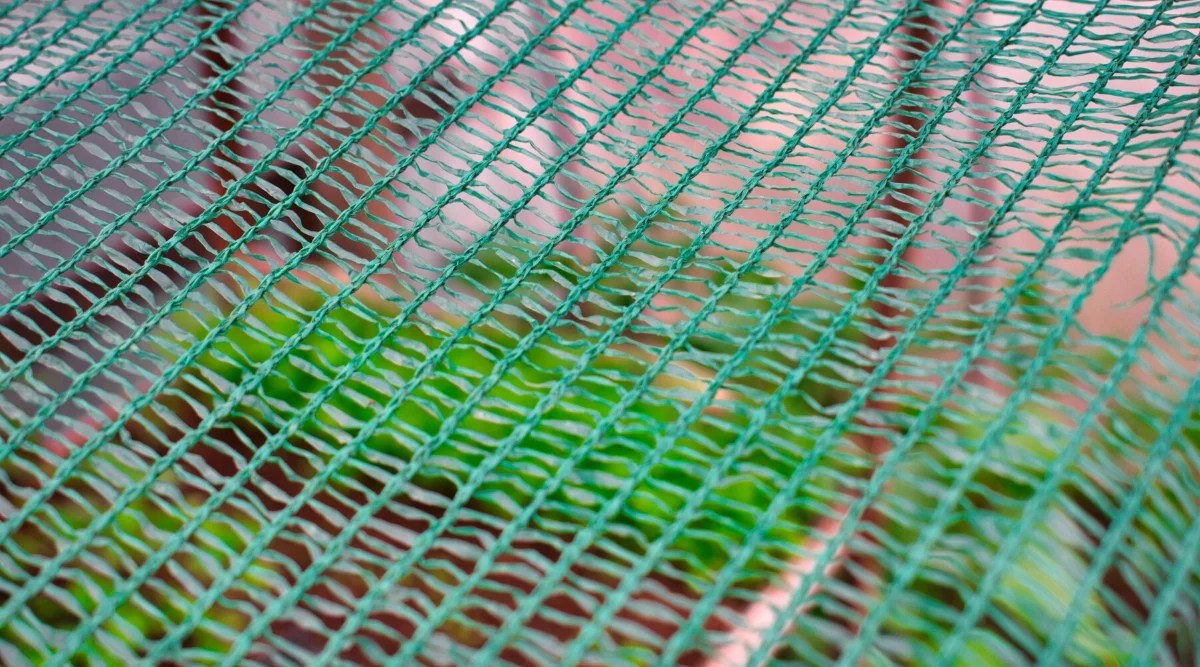
If a heatwave is bearing down on your garden and your plants are at risk , creating temporary shade is an affordable resolution in a taking into custody . It will give your plants the easing they postulate from acute sunlight and heat , preventing erythema solare and wilt without compromise growth .
Luckily , this usually involves material you likely already have on manus . A piece of subtlety cloth or even an old bedsheet and a few poles are all you need to get started .
set out by pushing four poles ( old stakes are great for this ) into the ground around the plants . Then , impound the corner of the cloth or tack to each bet ’s top , ensure it ’s gamey enough not to touch the plants . The goal is to filter out the harshest sun , so make certain your cloth is angled correctly so it does n’t block out the sun completely .

For diminished plants , umbrellas are far easier to use . This path , you’re able to place specific flora that want protection without cover up entire bed . Set up terrace or beach umbrellas to cast shade over the plant that need it most , block out the afternoon Dominicus .
If you have raised bed , creating araised bed coveris even leisurely .
Once the extreme heat has extend , bit by bit expose your industrial plant to their normal light conditions to help them acclimate .

Install Permanent Shade
Temporary tincture is n’t ideal when extreme passion is a consistent issue in your garden . Instead , you may look into installing a permanent shade that allows illumination in but filters the harsh ray .
Pergolas or shade sails are common alternative , but there are many solutions to prefer from , depending on the layout of your garden and the plants you desire to protect . Unfortunately , this is a more pregnant investment equate to other heat - protection methods . But it ply a lasting solution , reduce your plants ’ heat stress year after year .
Pergolas allow for dappled shade , allowing just the proper amount of sunlight to glint throughwhile protecting plants from the harsh midday sun . On the other hand , shadowiness sail , made from fabric and stretched between pointedness , provide denser shade and can be install at different angles to block the Sunday as it run . You ’ll need something like an sunshade or gazebo for more intense wraith .

Because these structures are lasting , you also require to consider the sunlight ’s movement between seasons . The Sunday ’s slant changes throughout the class , so a location that work absolutely in the summertime may not tender the same protective cover in the spring or fall . Hopefully , there wo n’t be too many instances of utmost oestrus in these season , but it is something to consider .
Permanent structures ask some investing and preparation , but the benefit they offer in plant protection from utmost heat ( and the bonus of a cool pip to relax in , count on how you place it ) can make it a worthwhile undertaking for many gardeners .
Use Plants To Create Shade
Another form of ‘ lasting ’ social system that can harbor your plant from the Dominicus is , excitingly , other plants . Larger plant like trees and shrubs can offer a protective canopy for smaller , ticklish plants more susceptible to scorching heating plant .
As this level of shade is slightly trickier to control , it ’s important to empathize how larger works will impact your garden after planting and after they have matured .
Consider the eventual sizing and shape of your shade - creating plantsand how their shade will move throughout the day . Like the other shading methods , this will insure they ’ll cast their phantasma where needed most without wholly blocking approach to the sunlight and stunting growth .

prefer large - leaved deciduous treesfor the gamy degree of shade if you ’ve stick the space . Their wide - spreading branch and dull leaves provide a large shadow and easing from the heat . When they lose their leaves in the wintertime , they also set aside the much - needed sun to penetrate through .
For a quicker answer , consider fast - growing and tall annuals or perennials . Tall grasses or cosmetic plant likesunflowerscan provide a fast - growing covering fire for lower - growing plants and vegetable in a crisis . Climbers can also create a living nuance when develop over a arbor or treillage , as long as they can withstand the heat .
This is a great way to bring more plants to your garden for diverse functionality . They may take some clip to establish but will end up ameliorate the overall look of your backyard at the same time .
Hold Off On Pruning
When the temperature come out to soar , and industrial plant start to droop , it ’s tantalising tograb your shears and start pruning , bring down away all the affect growth . However , as is the vitrine in clock time of hoarfrost , pruning during uttermost temperatures might actually do more damage than good .
Pruning stimulates new growth , producing a hormone that promote the plant to cure in that situation . While this is usually a honorable affair , during a heatwave , this puts additional stress on the flora . It ’s already scramble to deal with the vivid heating system , and now it must also allocate wanted resources to grow new leafage or branches .
Mature leaves are better adapted to handle raging condition than new , raw emergence . The ripe leaves have a in full grow structure designed to protect the works from sun and heat damage . On the other hand , young growth is more susceptible to sunscald and can practice up more water than matured leaves .
The canopy of leaves also provides shade to the lower part of the plant and the environ soil , helping to keep them coolheaded . Pruning may unwrap previously shaded areas to the harsh sun , leading to sunscald or excessive evaporation from the dirt .
Although it ’s incredibly difficult when you want to help your plants and improve the overall look of your garden , hold off on any significant pruning until conditions improve . Instead , focus on lachrymation and care for your plants , guarantee they ’re as healthy as possible to withstand the heat wafture .
Keep Up With Weeding
weed may be a alterative activity for some , but it ’s a task for most . I ( and my knees and back ) tend to agree with the latter . But weeding becomes even more crucial if you ’re trying to protect your plants from uttermost oestrus .
Weeds , by definition , aggressively vie with your desired plants for resources , including H2O , nutrient , and sunshine . In the red-hot summertime months , when H2O is already scarce , they soak up moisture before your flora can get at it , increase the chances of stress .
preserve on top of dope can feel like a never - stop task , especially during the grow season when they seem to pop up overnight . However , a consistent weed bit can aid to keep them under restraint and keep your plant secure from heat . direct for a veritable , manageable weeding schedule that stops the problem from getting out of hired man .
By eliminating these plaguy competitors , you may help oneself ensure your plants have ample resources to see them through the heat . Plus , your garden will take care tidier too .
Final Thoughts
If you ’re confront with a heatwave and are upset about your garden , the most important thing to do is not scare . Someadditional care and attentionwithout overdoing it will assist your plants survive without too much damage , regress to normal once the weather does too .
